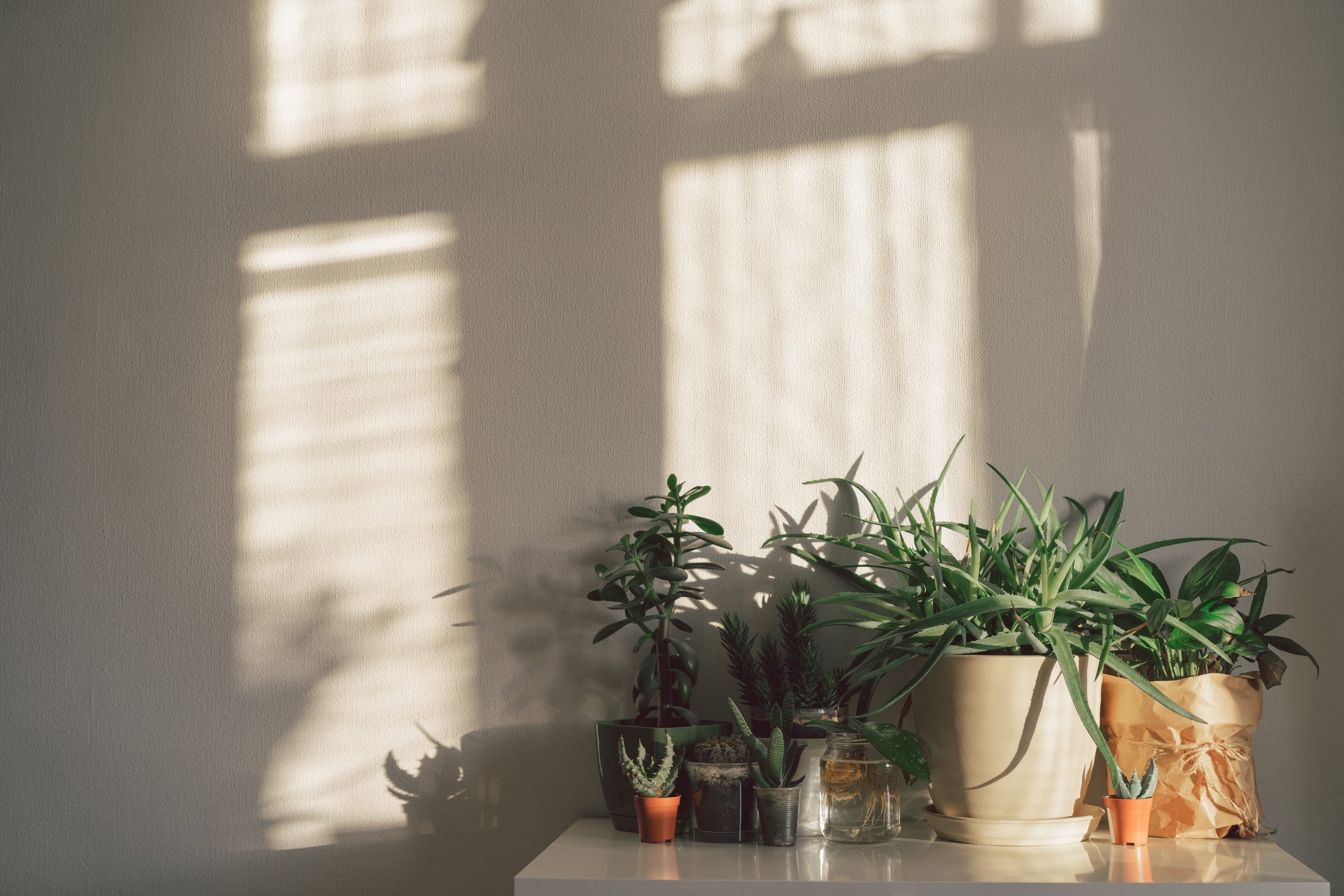
Indoor gardening is a great way to bring nature into your home while creating a calm and refreshing environment. Whether you live in a small apartment or a large house, growing plants indoors can improve air quality, enhance your space, and provide a relaxing hobby. Many people are now turning to indoor gardening as a simple and rewarding way to stay connected with nature.
Starting an indoor garden does not require extensive experience or a large investment. With the right ideas and basic knowledge, anyone can begin growing plants successfully. From decorative houseplants to small herb gardens, there are many options to explore. This article provides practical indoor gardening ideas to help beginners get started with confidence.
Choosing the Right Plants for Indoors
Selecting the right plants is the first step in successful indoor gardening. Some plants are better suited for indoor conditions and require less maintenance.
Popular choices include snake plants, pothos, and peace lilies. These plants are known for their ability to thrive in low light and require minimal care.
Herbs such as basil, mint, and parsley are also excellent options. They are useful for cooking and grow well in small indoor spaces.
Choosing plants that match your environment and lifestyle makes it easier to maintain a healthy indoor garden.
Understanding Light Requirements
Light is one of the most important factors for plant growth. Indoor plants need adequate light to survive and thrive.
Placing plants near windows allows them to receive natural sunlight. South-facing windows usually provide the most light, while north-facing ones offer softer light.
For spaces with limited natural light, artificial grow lights can be used to support plant growth.
Understanding the light needs of each plant ensures that they grow properly and remain healthy.
Using the Right Containers and Soil
Choosing suitable containers and soil is essential for indoor gardening. Pots with proper drainage help prevent water from accumulating and damaging plant roots.
Different plants require different types of soil. Well-draining soil is generally recommended for most indoor plants.
Using the right container size allows plants to grow comfortably without becoming overcrowded.
Proper setup of containers and soil creates a strong foundation for healthy plant growth.
Watering Plants Properly
Watering is a key part of indoor gardening, but it must be done carefully. Overwatering is one of the most common mistakes beginners make.
Each plant has different water requirements, so it is important to understand how often to water them. Checking the soil before watering can help determine if it is needed.
Allowing excess water to drain prevents root damage and keeps plants healthy.
Maintaining a balanced watering routine supports steady growth and prevents common issues.
Creating a Small Indoor Herb Garden
An indoor herb garden is a practical and enjoyable way to start gardening at home. Herbs are easy to grow and provide fresh ingredients for cooking.
Using small pots or containers, herbs can be placed on windowsills or kitchen counters.
Regular trimming encourages growth and keeps the plants healthy.
This type of garden is ideal for beginners who want a simple and useful indoor gardening project.
Decorating with Indoor Plants
Indoor plants can also be used to enhance the appearance of your home. They add color, texture, and life to any space.
Placing plants on shelves, tables, or hanging planters creates a visually appealing arrangement.
Mixing different plant sizes and types adds variety and depth to your indoor garden.
Decorating with plants allows you to combine creativity with functionality.
Maintaining Plant Health
Regular maintenance is important for keeping indoor plants healthy. This includes cleaning leaves, removing dead parts, and checking for pests.
Dusting leaves helps plants absorb light more effectively.
Inspecting plants regularly allows you to identify and address problems early.
Consistent care ensures that your indoor garden remains vibrant and thriving.
Starting Small and Expanding Gradually
For beginners, it is best to start with a few plants and expand gradually. This approach allows you to learn and gain confidence without feeling overwhelmed.
As you become more comfortable, you can add new plants and try different types of gardening techniques.
Experimenting with different plants helps you discover what works best in your space.
In Home and Garden, starting small and growing over time is a practical way to build a successful indoor garden.
Conclusion
Indoor gardening is a simple and rewarding way to bring nature into your home. By choosing the right plants, understanding light and water needs, and maintaining proper care, beginners can create a thriving indoor garden. Whether growing herbs for cooking or decorating with houseplants, there are many ways to enjoy this activity. Starting with small, manageable steps ensures long-term success and enjoyment. With patience and consistency, anyone can transform their indoor space into a green and refreshing environment.