
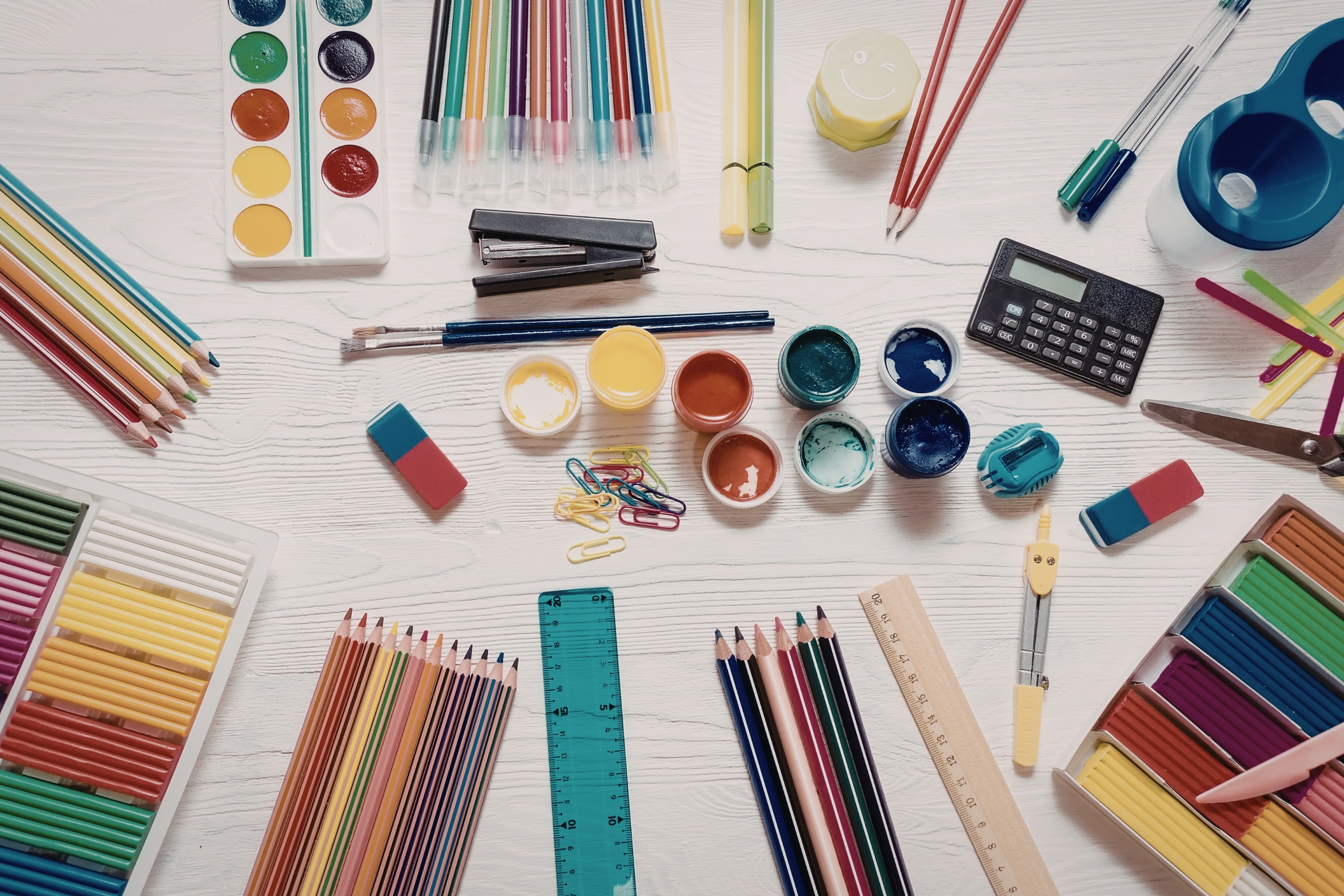
There is a specific quality of satisfaction that making something with your own hands produces — a satisfaction that is entirely distinct from the pleasure of purchasing, the pleasure of consuming, and even the pleasure of experiencing something created by someone else, and that sits in the specific register of the person who held the raw material and shaped it into something that did not exist before they began. This is the satisfaction of the creative arts and crafts — the domain of human activity whose breadth spans from the ancient traditions of pottery, weaving, and woodcarving through the contemporary expressions of digital illustration, resin art, and the full range of the modern maker movement whose accessibility has never been greater and whose community of practitioners has never been more diverse, more welcoming, or more generously supportive of the beginner whose only credential for joining is the willingness to try. The creative hobby is not a luxury reserved for the artistically gifted — the persistent myth of the creative talent that you either have or you do not is the single most consistent and the most genuinely damaging lie that the school art class and the social comparison of everyone else’s apparently effortless skill most reliably produces in the developing person whose creative confidence is the most fragile and the most specifically vulnerable to the comparison whose discouraging effect most completely prevents the exploration that practice most directly rewards. Every craft in this guide is learnable. Every creative hobby described here rewards the beginner’s honest effort with the specific pleasure of the improving skill, the finished piece, and the direct experience of the creative flow whose specific quality of absorbed, time-free, fully present engagement is one of the most restorative and most personally enriching experiences available in any human activity. The only question is which one is yours.
Drawing and Illustration: The Most Accessible Creative Doorway
Drawing is the creative art whose entry requirement is the lowest and whose expressive potential is the highest simultaneously available in any single medium — the practice that requires nothing more than a pencil and a piece of paper to begin and that rewards the sustained, curious, observational practice with the progressive development of the specific visual skill whose accumulated expression across months and years of regular drawing creates the specific capability of seeing the world with the trained eye whose quality of observation is as much the gift of the drawing practice as the marks it produces on the page. The specific misconception that prevents the majority of adults from drawing — the belief that the inability to draw a recognizable face or a convincing perspective space from the first attempt is evidence of the absence of the drawing ability rather than the entirely predictable consequence of the specific inexperience that no human skill develops without the practice whose consistent, curious, non-judgmental application across the time and the repetition that skill development always requires — is the specific psychological barrier whose honest examination most directly enables the beginning that the practice most urgently needs to produce the progression that every drawing practitioner’s experience confirms is as available as the willingness to start and to continue.
The specific approaches to drawing whose adoption by the beginning drawer most effectively accelerates the skill development whose pace most directly determines whether the practice produces the sustained motivation that continuing requires or the early frustration that the wrong approach most reliably generates include the observational drawing practice whose specific discipline of drawing from direct observation rather than from memory or imagination develops the eye-hand coordination and the visual measurement skills that the general drawing capability most fundamentally requires, the gesture drawing practice whose rapid, spontaneous capture of the essential movement and proportion of the human figure or the dynamic scene develops the spatial intelligence and the line confidence that the slower, more deliberate drawing most consistently fails to build with equivalent effectiveness, and the structured curriculum resources including the Betty Edwards Drawing on the Right Side of the Brain whose specific pedagogical approach to the retraining of the visual perception that enables the observational drawing has introduced more adults to the specific experience of the drawing breakthrough than any other single resource available in the drawing education landscape. The digital illustration tools including the iPad with Apple Pencil and the Procreate application whose pressure-sensitive, layer-based drawing environment creates the most accessible and the most technically forgiving digital drawing medium available have expanded the drawing hobby’s accessibility to the person whose resistance to the mess and the permanence of the traditional medium has historically prevented the beginning that the digital tool’s specific undo, layer, and brush variety most completely removes as the barrier to the creative exploration that the drawing practice most directly enables.
Painting: From Watercolor Serenity to Oil Paint Drama
Painting is the creative art whose specific emotional and sensory qualities — the specific smell of the linseed oil, the specific resistance of the canvas to the brush, the specific way that the watercolor bleeds and blooms at the boundary of the wet wash — create the most physically immersive and the most sensorially rich creative experience available in any visual art medium, and whose specific range of the available approaches, from the controlled, luminous transparency of the watercolor through the immediate, buttery directness of the acrylic to the slow, layered, color-rich depth of the oil paint, provides the sufficient variety of technical and aesthetic character to serve the full range of the temperaments and the creative inclinations that the painting hobby most broadly encompasses. The choice of the painting medium for the beginning painter is not the permanent commitment that the anxiety of the first purchase most commonly makes it feel like — it is the first experiment in the ongoing series of explorations that the painting practice most productively is, and the medium that most appeals at the beginning is almost always the right starting point regardless of the specific technical characteristics that the more experienced recommendation most typically emphasizes.
Watercolor — the medium whose specific combination of the color transparency whose luminosity creates the specific quality of the light that no opaque medium quite replicates, the unpredictable behavior of the water whose movement within the wet wash creates the specific happy accident that the watercolor painter learns to work with rather than against, and the relatively modest investment whose quality paper, a set of student-grade pigments, and a few brushes creates the complete starter kit — is the most recommended beginning painting medium for the painter whose primary creative interest is the landscape, the still life, and the botanical illustration whose specific subjects are the ones for which the watercolor’s specific technical properties most naturally and most beautifully serve. The acrylic’s specific advantage of the fast drying time whose correction of the unsatisfactory passage requires only the waiting of minutes rather than the days that the oil paint most specifically demands, the water cleanup whose elimination of the solvent requirement makes the studio as simple as the kitchen table, and the versatility of the medium that can be thinned to the transparency of watercolor or built to the texture and the impasto of oil paint with the addition of the specific mediums makes it the most technically flexible and the most practically accessible painting medium available to the painter whose domestic setting, whose budget, and whose schedule most productively accommodates the quick-starting and the quickly-stopping painting session whose complete creative cycle fits within the hour that the acrylic’s specific drying characteristics most uniquely enables.
Textile Arts: Knitting, Crochet, Weaving, and the Craft of the Fiber
The textile arts — the broad family of the fiber-based creative practices whose specific members of knitting, crochet, weaving, embroidery, macrame, and the full range of the needle and thread crafts share the specific meditative quality of the rhythmic, repetitive hand movement whose sustained practice creates the specific cognitive state of the absorbed, focused calm that the neuroscience of the craft practice has most consistently identified as the anxiety-reducing, stress-relieving, attention-restoring experience that makes the textile art not merely a creative hobby but a genuine mental health practice whose therapeutic benefits are as well-documented as they are widely and enthusiastically described by the practitioners whose experience of the craft’s specific calming effect is the most frequently cited reason for the craft’s initial adoption and the most reliably reported motivation for its sustained continuation — represent the creative hobby category whose combination of the functional output, the social community, and the specific physical and psychological benefits most completely serves the practitioner whose creative interest includes the full range of the making experience from the first cast-on stitch to the finished garment whose wearing or whose gifting creates the specific pride of the useful beautiful object made with your own hands.
Knitting — the craft whose two-needle, interlocking loop structure creates the specific fabric whose stretch and whose drape make it the most body-conforming of all the handmade textile constructions and whose history as the utilitarian hand skill of fishing communities and farming households gives the contemporary knitter the specific connection to the long human tradition of the functional making whose recent resurgence as both the fashionable hobby and the political statement of the Craftivism movement has created the most diverse and the most culturally engaged knitting community available in the craft’s history — is the textile art whose specific learning curve of the two fundamental stitches whose mastery creates the foundation for every knitting project from the beginner’s dishcloth to the expert’s lace shawl is the most accessible available in any fiber craft and the one whose community of practice, concentrated in the Ravelry online platform whose millions of patterns, project records, and forum discussions create the most comprehensive available knitting resource in any single digital location, is the most supportive and the most generously helpful to the beginner whose specific questions and whose specific frustrations the experienced practitioner’s specific guidance most directly and most completely addresses. Crochet’s single hook and its specific fabric structure whose density and whose sculptural capability create the most dimension and the most three-dimensional form of any fiber craft make it the most natural entry point for the maker whose creative interests include the amigurumi, the basket, and the home decor piece whose structural integrity the crochet’s specific construction most consistently and most effectively produces.
Pottery and Ceramics: The Oldest and the Most Grounding Creative Practice
Pottery is the creative art whose specific physical engagement — the specific cool weight of the clay in the hands, the specific resistance and the specific yielding of the material to the shaping pressure, and the specific transformation of the formless lump into the vessel whose functional and aesthetic character is entirely the product of the maker’s specific choices across the entire process from the centering of the clay on the wheel through the drying and the firing whose chemical transformation of the clay into the ceramic whose hardness and whose permanence are the specific qualities that make it the most durably archivable of all the creative arts’ physical outputs — creates the most directly grounding and the most physically present creative experience available in any studio craft practice. The pottery studio is the specific creative environment whose removal of the digital, the screen-based, and the textually mediated from the creative practice creates the most complete available contrast with the cognitive mode of the contemporary information worker whose daily experience is the most comprehensively screen-bound and the most consistently body-neglecting available in any professional environment, and whose specific physical engagement with the clay whose manipulation requires the full attention of the hands and the body creates the specific restorative contrast that the creative hobby’s psychological benefit most directly and most completely provides for the practitioner whose ordinary working life most specifically lacks the physical making that the hands and the body most deeply need.
The wheel-throwing class — the most commonly available entry point into the pottery practice whose studio setting provides the equipment, the materials, the instruction, and the community whose combination is the most complete and the most efficiently accessible available for the beginning potter whose domestic setting most commonly cannot accommodate the wheel, the kiln, and the clay storage that the independent home studio most specifically requires — is the pottery beginning whose specific experience of the first centering attempt, the first opening, and the specific delighted surprise of the first vessel’s walls rising under the specific pressure of the wet hands creates the most viscerally memorable introduction to any creative hobby available in any medium. The hand-building alternatives of the pinch pot, the coil building, and the slab construction whose specific techniques do not require the wheel and whose access to the community pottery studio’s kiln requires only the studio membership whose nominal monthly cost creates the most accessible available ceramics practice for the practitioner whose specific interest in the sculptural and the hand-formed over the wheel-thrown most specifically motivates the choice of the technique whose freedom from the centering skill whose acquisition most commonly produces the greatest early frustration creates the most immediately rewarding entry into the ceramic practice.
Woodworking and Carpentry: Building Something That Lasts
Woodworking is the creative hobby whose specific combination of the material’s warmth and its beauty, the satisfying physical engagement of the hand tool and the power tool whose specific resistance and whose specific cutting geometry create the most direct available physical dialogue between the maker and the material, and the specific functional output of the piece of furniture, the decorative object, or the home improvement project whose completion and whose integration into the daily domestic life creates the most durable and the most constantly present reminder of the creative capability whose development through the woodworking practice is among the most directly and the most continuously satisfying available in any making hobby — represents the creative art whose specific rewards of the beautiful, useful, long-lasting object made with the specific physical skill that no other creative practice quite develops with the same combination of the spatial intelligence, the material knowledge, and the specific hand-tool precision create the making experience whose satisfaction most consistently exceeds the expectation of the beginner whose initial approach to the craft most commonly underestimates the depth of the pleasure available in the careful, patient shaping of the wood whose grain, whose figure, and whose specific responses to the cutting edge create the specific aesthetic experience of the material that the woodworker’s developed sensitivity to the wood’s specific character most completely and most continuously rewards.
The beginning woodworker whose first projects are appropriately scaled to the developing skill — the simple shelf, the small box, the cutting board, and the other entry-level projects whose joint simplicity, whose material economy, and whose completion-to-skill ratio creates the most encouraging and the most motivating beginning available in any craft whose complexity can be progressively and indefinitely expanded as the practitioner’s capability most specifically develops — is the woodworker whose early investment in the foundational hand tools of the quality hand saw, the bench plane, the chisels, and the marking gauge whose combination creates the most complete available hand tool capability for the basic joining and the basic surface preparation that the beginner’s projects most specifically require produces the most durable and the most continuously applicable tool investment available in any woodworking entry. The hobbies and interests of the woodworking community — concentrated in the fine woodworking publications, the YouTube channels of the master craftspeople whose accessible, detailed instruction has democratized the knowledge that the traditional apprenticeship system previously monopolized, and the local woodworking club whose shared shop, shared expertise, and shared enthusiasm creates the most complete available community support for the developing woodworker — provide the most comprehensive available ecosystem of the learning resource and the community support that the creative hobby’s sustained development most specifically benefits from and most consistently rewards with the progressive capability whose acquisition is the specific ongoing pleasure that the woodworking practice, across the full length of the practitioner’s involvement with it, most reliably and most generously provides.
Digital Art and Graphic Design: The Creative Frontier of the Screen
Digital art is the creative practice whose specific combination of the infinite undoability that the traditional media’s permanence most completely lacks, the color precision whose specific management through the digital color system creates the most exactly reproducible and the most completely controllable color relationships available in any art-making context, and the specific accessibility of the professional-grade tools whose software availability on the consumer devices that the majority of people already own creates the lowest barrier to entry available in any creative practice — produces the most rapidly growing and the most demographically diverse creative community in the contemporary arts and crafts landscape. The person who creates their first digital illustration on an iPad borrowed from a family member using the free version of a drawing app has access to the same fundamental creative capability that the professional illustrator whose career depends on the polished professional output of the full Procreate or Adobe Fresco toolkit uses for the commercial work whose technical quality the consumer tool most closely and the most genuinely approximates at the specific level of the developing practitioner whose current creative ambition most productively begins with the accessible tool whose removal of the financial barrier to the first creative exploration most directly enables.
The specific creative directions available within the digital art practice encompass the full range of the visual art’s traditional categories — the digital painting whose simulation of the traditional paint media through the specific brush engines whose opacity, whose texture, and whose blending behavior most closely approximate the physical paint creates the most familiar entry point for the practitioner whose prior experience with traditional painting most productively transfers to the digital medium, the vector illustration whose specific mathematical curve construction creates the most cleanly scalable and the most precisely editable graphic form available in any visual art medium and whose specific application to the logo design, the pattern creation, and the flat illustration style most associated with the contemporary graphic design aesthetic creates the most commercially applicable skill available in the digital art practice, and the photo manipulation and digital collage whose specific technique of the composite image construction from the photographic source material creates the most accessible and the most immediately impressive visual output available to the beginning digital artist whose drawing confidence may be lower than their compositional and aesthetic sense most productively employs. The free and low-cost software resources available to the beginning digital artist — the GIMP and the Krita whose open-source development creates the most capable free alternatives to the professional paid software, the Canva whose template-based graphic design tool creates the most immediately accessible entry point for the non-artist whose creative interest is the design rather than the illustration — provide the most complete available toolkit for the creative exploration whose cost barrier the digital medium’s specific accessibility most completely eliminates.
Conclusion
The creative arts and crafts described in this guide represent a small but representative selection of the extraordinary breadth of the making practices available to the person whose hobbies and interests include the specific pleasure of creating something with their own hands and their own imagination — a pleasure whose specific quality of the absorbed, purposeful, skill-developing making experience is as available to the person who picks up a pencil for the first time since elementary school as to the experienced potter whose hundredth bowl is as satisfying as the first one was surprising. The creative hobby is the investment in the self whose return is not the object produced — though the object is often beautiful and sometimes useful and occasionally remarkable — but the specific quality of the experience of making it: the specific flow of the absorbed attention, the specific satisfaction of the improving skill, the specific pleasure of the finished piece whose creation required the specific combination of the material knowledge, the technical capability, and the creative vision that the practice whose development produced them most directly and most personally represents. The right creative hobby for any individual is the one they find themselves thinking about between sessions, returning to when the day has been difficult, and sharing with the people they love because the specific joy of the thing they made most completely expresses something about who they are that no purchase and no performance can quite communicate with the same directness, the same authenticity, and the same specific human warmth that the thing made with care and skill and genuine creative intention most perfectly and most memorably conveys.