
Living in or visiting a tropical country during summer is one of the most vibrant, most energizing, and most physically demanding experiences available in the climate landscape of the modern world — a season whose specific combination of the intense overhead sun, the high UV index that tropical latitudes produce year-round and that the summer months push to their most extreme available levels, the heat whose sustained intensity most completely challenges the skin’s thermoregulatory capacity, and the cultural and recreational life that pulls people outdoors to the beaches, the markets, the festivals, and the everyday activities of the tropical summer’s richly social and physically active character creates the specific environment where the skin’s need for protection is as urgent and as consistently underserved as in any climate available on earth. The tropical sun is not the temperate sun. The UV radiation that reaches the skin at ten degrees latitude at noon on a cloudless summer day is not merely more intense than the equivalent northern exposure — it is categorically different in its biological impact, its speed of skin damage initiation, and its specific risk profile for the full range of the UV-induced skin damage from the immediate sunburn through the cumulative photoaging whose visible effects accelerate with every inadequately protected tropical sun exposure to the skin cancer risk whose elevation with cumulative UV exposure is as clearly documented as any relationship in the dermatological literature. The good news is that the protection is available, it is effective when applied correctly, and its consistent adoption creates the specific skin health outcome that the person who moves through the tropical summer protected and confident enjoys — the skin that ages more gracefully, burns more rarely, and presents the long-term health outcomes that the consistently sun-protected person most completely and most measurably demonstrates relative to the person whose tropical sun exposure has been consistently unmanaged. This guide covers the complete, evidence-based framework for tropical sun protection — the sunscreen science, the clothing and accessory strategies, the behavioral sun exposure management, the after-sun recovery, and the skin health practices whose combination creates the most comprehensively protected and the most skin-health-supporting approach to living beautifully and safely in the specific intensity of the tropical summer sun.
Understanding UV Radiation in the Tropics: Why the Sun Hits Differently Here
The UV radiation that produces sunburn, photoaging, and the elevated skin cancer risk that dermatologists most consistently identify as the most preventable significant skin health outcome available in any population is not a uniform environmental exposure whose intensity is fixed regardless of geographic location — it is a variable that changes dramatically with latitude, altitude, season, time of day, cloud cover, and the specific reflective characteristics of the surfaces surrounding the exposed individual, and whose specific values in the tropical countries most directly and most consequentially determine the urgency of the sun protection practices whose adoption most directly addresses the specific UV environment that the tropical summer most completely and most relentlessly creates. The UV Index — the standardized scale whose values from one at the lowest risk end to eleven plus at the extreme risk level provides the most directly actionable available measure of the UV radiation intensity at any specific location and time — reaches values of ten to twelve plus across the equatorial and near-equatorial countries during the summer months on clear days at solar noon, and remains above the eight to nine range that dermatologists classify as very high for the majority of the tropical day’s peak sun hours from approximately ten in the morning through four in the afternoon whose specific bracket represents the highest-risk window for the unprotected skin exposure that the tropical sun protection strategy most specifically and most urgently targets.
The specific mechanisms through which UV radiation damages the skin create the scientific foundation for understanding why the protection strategies described throughout this guide most effectively prevent the specific damage they are designed to address. UVB radiation — the shorter-wavelength ultraviolet radiation whose specific absorption by the skin’s surface layers creates the DNA damage in the skin cells whose immune response is the redness, the heat, and the pain of the sunburn whose visible and sensory manifestation is the most immediately familiar evidence of the UV damage whose deeper and less visible consequences accumulate with every inadequately protected exposure — is the primary cause of the immediate sunburn and the most directly associated with the skin cancer risk whose elevation with cumulative UV exposure makes the SPF protection whose UVB filtering is the most directly measured the most urgently relevant sun protection metric for the skin cancer prevention objective. UVA radiation — the longer-wavelength ultraviolet whose penetration to the skin’s deeper dermal layers creates the collagen and elastin damage whose specific expression as the premature wrinkle, the loss of skin elasticity, and the uneven pigmentation of the photodamaged skin creates the most visible cosmetic evidence of the cumulative sun exposure whose management through the broad-spectrum sunscreen whose UVA filtering addresses the photoaging damage that the SPF-only measurement most consistently undersells — is the radiation whose specific biological effects on the skin’s structural proteins make the broad-spectrum protection designation the most important single sunscreen specification for the health and beauty of the skin whose long-term quality the cumulative UVA exposure most directly and most visibly determines.
Sunscreen Science: Choosing, Applying, and Reapplying Correctly
Sunscreen is the single most evidence-supported skin protection tool available for the prevention of UV damage, and the significant gap between the protection that the sunscreen product’s SPF rating most commonly implies and the protection that its actual application most commonly delivers is the specific knowledge gap whose closing most directly and most immediately improves the practical effectiveness of the sun protection strategy that the tropical summer most urgently requires. The SPF rating — the Sun Protection Factor whose number represents the theoretical multiplier of the time that the protected skin takes to develop the first detectable reddening relative to the unprotected skin under the same UV exposure — is calculated under laboratory conditions using the two milligrams per square centimeter application density that most users apply at roughly one quarter to one half of the recommended density, creating the specific real-world protection that is significantly less than the rated value would suggest for the person whose application is the typical thin, uneven, insufficiently thick layer that the convenient tube encourages rather than the specific thorough, generous application that the rated protection most specifically requires.
The specific sunscreen selection criteria whose application to the tropical sun protection product choice produces the most effectively protective available combination include the SPF 30 minimum for the everyday incidental sun exposure and the SPF 50 or above for the intentional outdoor activity, the beach day, and the extended outdoor exposure that the tropical summer’s social and recreational character most consistently creates. The broad-spectrum designation — whose specific requirement that the product protect against both UVA and UVB radiation makes it the non-negotiable specification for the sunscreen whose protection of the health and beauty of the skin against both the cancer risk of the UVB and the photoaging damage of the UVA most completely addresses the full UV damage profile — is the minimum qualification for any sunscreen product whose recommendation for the tropical sun exposure context is genuinely justified by the scientific evidence on UV damage mechanisms. The water resistance rating — whose designation of the forty-minute or the eighty-minute water resistance period provides the most relevant specification for the beach, the pool, and the outdoor activity whose perspiration and whose water contact most directly challenge the sunscreen film’s integrity and whose reapplication at the water-resistance-period endpoint most directly maintains the protection whose degradation the water exposure most consistently produces — is the third specification whose consideration most directly addresses the tropical summer’s specific outdoor activity context.
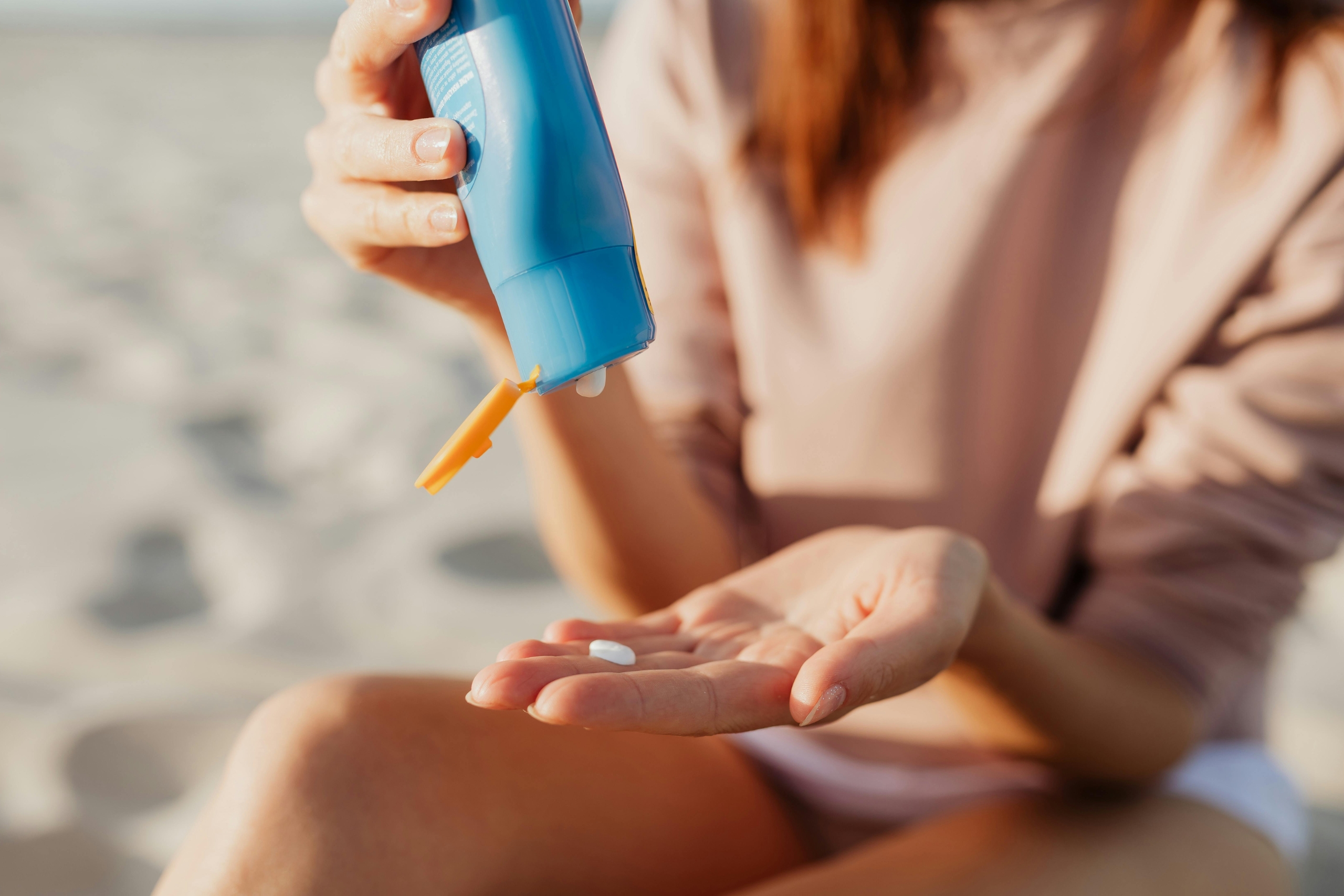
The application practice whose consistent execution most effectively delivers the rated protection requires the specific quantity — approximately one ounce, or approximately a shot glass full, for the full body coverage whose thoroughness the typical grab-and-squeeze application most consistently under-delivers — the specific application timing of at least fifteen minutes before the sun exposure that allows the chemical sunscreen’s UV-filtering compounds to fully bind with the skin’s surface proteins in the specific chemical process whose completion requires the pre-exposure waiting period, and the reapplication frequency of every two hours of sun exposure and immediately after swimming or toweling whose consistent maintenance most directly addresses the photodegradation of the chemical UV filters and the mechanical removal of the physical UV blockers that the ongoing sun exposure and the water contact most continuously and most relentlessly produce in the tropical outdoor environment. The specific areas most commonly missed in the sunscreen application — the ears whose cartilage creates the most common location for the non-melanoma skin cancers in the sun-exposed population, the back of the neck whose downward-facing surface is among the most consistently under-protected in the self-application that the arm’s limited reach most directly constrains, the feet and the tops of the hands whose consistent exposure in the beach and the outdoor setting most commonly proceeds without the sunscreen protection whose application to these specific areas the typical lotion-and-rub application most completely skips — are the specific application gaps whose deliberate address in the tropical summer sunscreen routine most directly and most practically completes the protection that the face and the shoulders whose social prominence in the self-application most consistently prioritize at the expense of the anatomical completeness that full-body protection most specifically requires.
Clothing, Accessories, and Physical Sun Barriers: The Overlooked Protection Layer
The physical barriers to sun exposure — the clothing, the hat, the sunglasses, and the shade-seeking behavior whose combination provides the most reliable and the most completely chemical-free sun protection available — are the sun protection strategies that the sunscreen-centric culture most consistently undervalues and that the dermatological evidence most consistently endorses as the most effective first-line defense against the cumulative UV exposure whose management through the physical barrier is both more complete and more reliable than the sunscreen-only approach whose gaps in application, whose photodegradation, and whose inadequate reapplication frequency create the specific unprotected exposure windows that the physical barrier most directly and most consistently eliminates. The UPF rating of the protective clothing — the Ultraviolet Protection Factor whose specific measurement of the fabric’s UV blocking capability provides the most directly actionable specification for the sun protective clothing selection — provides the clothing equivalent of the sunscreen’s SPF, with the UPF 50 rating indicating that the fabric blocks ninety-eight percent of the UV radiation whose penetration to the skin the unprotected fabric most commonly permits with varying degrees of the UV filtering that the weave density, the fabric weight, and the dye composition most directly determine.
The wide-brimmed hat is the single most impactful physical sun protection item available for the tropical sun exposure — the brim whose minimum three-inch width provides the most complete available facial, neck, and ear protection that the typical baseball cap most consistently and most significantly fails to provide for the specific areas whose sun protection the brim’s circumferential coverage most directly and most effectively creates. The lightweight, breathable fabrics of the linen and the cotton whose natural fiber composition creates the most comfortable available physical sun barrier in the tropical heat whose specific combination of the high UV protection and the high breathability most directly serves the person whose comfort in the tropical summer’s intense heat most urgently requires the physical barrier that neither smothers nor overheats the body it protects. The UV-protective rash guard whose specific application to the water activities of the beach and the pool creates the most complete available protection for the extended water exposure whose specific combination of the water reflection’s UV amplification and the sunscreen’s water-compromised adhesion makes the physical barrier’s addition to the water activity protection most specifically and most urgently warranted is the clothing solution whose adoption in the tropical beach context most directly addresses the specific high-risk sun exposure scenario that the water-based recreation in the tropical sun most completely and most consistently creates.
Sunglasses with UV400 protection — whose specific optical specification indicates the blocking of all UV radiation up to the four hundred nanometer wavelength that encompasses both the UVA and the UVB bands whose ocular exposure is associated with the cataract formation, the macular degeneration, and the specific ocular surface conditions including pterygium whose increased incidence in the high UV-exposure tropical populations most directly reflects the cumulative UV impact on the eye’s health and beauty — are the sun protection item whose adoption for every outdoor tropical exposure addresses the most consistently overlooked body area in the typical sun protection routine whose facial coverage most commonly ends at the eyebrows rather than extending to the specific optical protection that the UV-rated sunglass lens most directly and most completely provides. The combined physical protection strategy of the UPF-rated clothing, the wide-brimmed hat, and the UV400 sunglasses whose simultaneous adoption creates the most comprehensively physically protected outdoor profile available for the tropical summer exposure is the approach whose consistency of protection — independent of the application timing, the reapplication frequency, and the water resistance limitations that the sunscreen-only strategy most specifically requires for its effective maintenance — makes it the most reliably protective baseline available for the person whose tropical summer sun exposure management most specifically benefits from the consistent, zero-gap protection that the physical barrier’s presence most completely and most continuously provides.
Behavioral Sun Protection: Smart Timing and Smart Habits
The behavioral dimension of tropical sun protection — the specific choices about when to be outdoors, where to seek shade, and how to structure the day’s outdoor activities in relation to the UV intensity that peaks during the specific hours whose avoidance most directly reduces the cumulative UV dose that the skin receives across the full tropical summer — is the sun protection strategy whose cost is zero and whose effectiveness in reducing the UV exposure is as significant as any topical product or physical garment available, and whose consistent adoption by the person whose tropical summer lifestyle most productively integrates the timing intelligence most directly and most reliably reduces the specific UV damage risk that the peak-hour unprotected exposure most consistently and most consequentially creates. The specific behavioral sun protection practices whose adoption most directly and most measurably reduces the tropical UV exposure include the avoidance of the peak UV hours from ten in the morning to four in the afternoon for the voluntary extended outdoor exposure, the seeking of the shade structure whose provision of the direct sun blockage reduces the UV exposure by the specific percentage that the shade structure’s completeness and its orientation relative to the sun most directly determines, and the scheduling of the outdoor physical activity for the morning hours before ten or the late afternoon after four whose UV index values are consistently lower than the midday peak by the specific margin that makes the morning and the late afternoon the most skin-protective available timing for any outdoor activity whose UV exposure management the tropical summer’s health and beauty priority most directly requires.
The specific indoor and shade activities whose substitution for the peak-hour outdoor exposure creates the most complete available protection — the market, the museum, the café, and the indoor meal whose specific enjoyment requires no sun exposure and whose social and cultural richness is as complete as the outdoor equivalent — represent the behavioral adaptation that the tropical resident’s daily schedule most productively incorporates as the specific lifestyle intelligence that distinguishes the well-adapted, skin-protective tropical living from the sun-naive approach whose peak-hour outdoor activities create the specific cumulative UV exposure that the behavioral protection most directly and most effectively prevents. The specific cultural practices of the tropical countries whose traditional schedules most naturally and most intelligently managed the UV exposure through the midday rest whose specific timing corresponds exactly to the peak UV hours — the siesta whose adoption in the tropical cultures of Latin America, Southeast Asia, and the Mediterranean most directly and most productively reduces the involuntary peak-hour outdoor exposure that the midday rest’s specific schedule accommodation most efficiently addresses — represent the specific behavioral wisdom of the populations whose long historical experience with the tropical sun most completely and most pragmatically encoded in the daily schedule whose adoption by any person living or visiting the tropical summer environment creates the most immediately and the most effortlessly effective behavioral sun protection strategy available.
After-Sun Care and Skin Recovery: Healing the Damage That Happens Anyway
The skin recovery practices whose consistent adoption after the sun exposure that the most diligent protection strategy cannot entirely eliminate — the hydration, the soothing treatment, and the specific restorative skin care whose combination most effectively addresses the UV-induced skin stress and the dehydration whose specific occurrence in the tropical sun-exposed skin creates the particular recovery needs that the post-sun care routine most directly and most completely serves — are the health and beauty practices whose importance to the skin’s long-term quality and whose specific contribution to the management of the cumulative UV damage is as genuine and as practically valuable as the pre-exposure protection strategies whose primary role in the comprehensive tropical sun care routine most completely defines the protective priority whose post-sun care supplementation most specifically completes.
The aloe vera gel — the traditional tropical plant whose specific biochemical properties of the acemannan, the glycoproteins, and the anthraquinones whose combination creates the specific anti-inflammatory, wound-healing, and moisturizing effects that the scientific literature on post-sun skin care most consistently validates as the most evidence-supported topical after-sun remedy available in any traditional or commercially formulated after-sun product — is the after-sun care staple whose specific application to the sun-exposed, pink, or mildly sun-stressed skin creates the most immediately soothing and the most biologically active skin calming available in any accessible after-sun ingredient. The pure aloe vera gel from the plant’s leaves, whose specific concentration of the active compounds most completely produces the beneficial effects whose dilution in the commercial after-sun formulations most commonly reduces the specific potency that the pure extract most directly delivers, is the most effective available form of the after-sun treatment whose accessibility in the tropical countries where the aloe vera plant’s ubiquitous cultivation creates the most widely and the most freely available natural skin care ingredient in any post-sun treatment context. The post-sun hydration practice — the specific internal hydration of the generous water intake whose replacement of the fluids lost through the perspiration and the increased transepidermal water loss of the UV-stressed skin creates the most fundamental available support for the skin repair process whose cellular mechanisms most specifically require the adequate hydration that the tropical summer’s heat and the sun exposure most continuously and most systematically depletes — is the after-sun care practice whose simplicity, whose zero cost, and whose direct biological relevance to the skin repair most specifically and most reliably make it the most important single post-sun care recommendation available in any health and beauty guidance for the tropical summer skin protection program.
Conclusion
Protecting your skin from the tropical sun is not the burdensome, pleasure-limiting obligation that the person who has not yet made peace with the sunscreen routine most commonly and most reluctantly experiences it as — it is the specific, practical, genuinely achievable daily practice whose consistent adoption across the tropical summer and the tropical year creates the single most impactful available investment in the long-term health, the long-term beauty, and the long-term functional quality of the skin that the person who makes it most completely and most visibly demonstrates in the specific outcomes of the less-burned, the more evenly toned, the more gracefully aging, and the more cancer-protected skin that the comprehensive sun protection program most reliably and most measurably produces. The broad-spectrum SPF 50 sunscreen whose generous, timely, and consistently reapplied application creates the chemical UV filter layer whose protection most directly addresses the UVB and UVA damage whose prevention the health and beauty of the tropical sun-exposed skin most specifically requires, the physical barrier of the hat, the UPF-rated clothing, and the UV400 sunglasses whose combination most completely eliminates the application gaps that sunscreen alone most consistently leaves, the behavioral intelligence of the peak-hour avoidance and the shade-seeking whose adoption reduces the cumulative UV dose most effectively and most effortlessly, and the after-sun care whose hydration and soothing treatment most directly supports the recovery and the repair of the skin that the sun exposure that the most diligent protection could not entirely prevent most specifically requires — together these practices constitute the complete tropical sun protection program whose adoption creates the most genuinely protective and the most durably skin-healthy approach to living fully and beautifully in the extraordinary intensity of the tropical summer whose warmth, whose light, and whose specific quality of the most abundantly alive season available in any climate is as worthy of the full enjoyment that the protected skin most safely and most completely enables.