Classical house design is known for its elegance, balance, and timeless appeal. Inspired by traditional architectural styles, it focuses on symmetry, proportion, and refined details that create a sense of harmony and sophistication. Many homeowners are drawn to classical design because it never goes out of style and adds a sense of luxury to any space.
Whether you are building a new home or renovating an existing one, understanding the key elements of classical design can help you achieve a polished and cohesive look. From architectural features to interior details, every aspect contributes to the overall aesthetic. This guide explores the essentials of classical house design and how to incorporate them into your home.
Key Features of Classical Architecture
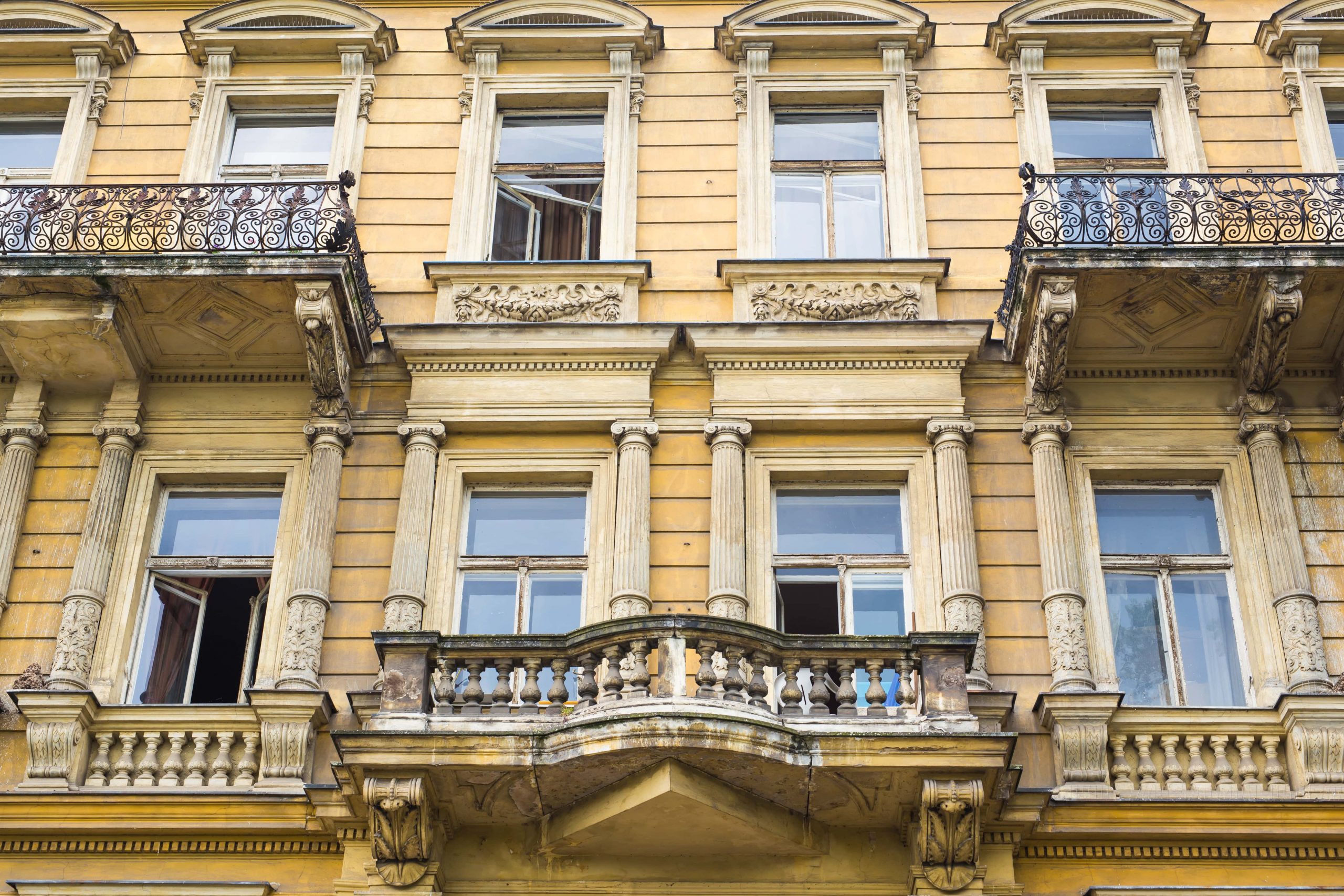
Classical homes are defined by their structured and symmetrical appearance. The exterior often includes balanced windows, centered entrances, and clean lines that create a sense of order.
Columns are a common feature, adding both strength and decorative appeal. They are often placed at the entrance or along porches to create a grand look.
Roofs are typically simple and well-proportioned, complementing the overall structure of the house.
These architectural elements form the foundation of a classical design and set the tone for the entire home.
Importance of Symmetry and Proportion
Symmetry is one of the most important principles in classical design. It creates a sense of balance and visual harmony that is pleasing to the eye.
Rooms, windows, and decorative elements are often arranged evenly on both sides of a central point. This layout makes the home feel organized and well-planned.
Proportion is equally important. Each element should be scaled appropriately to fit the space without overwhelming it.
Maintaining symmetry and proportion ensures that the design remains elegant and cohesive.
Elegant Exterior Design Elements
The exterior of a classical home often features refined details that enhance its appearance. These may include decorative moldings, shutters, and well-designed entryways.
Neutral color palettes are commonly used, such as white, cream, or soft earth tones. These colors highlight architectural details and create a clean, timeless look.
Landscaping also plays a role in the overall design. Well-maintained gardens, pathways, and greenery complement the structure and add to its charm.
A carefully designed exterior creates a strong first impression and reflects the elegance of classical style.
Interior Design and Layout
The interior of a classical home emphasizes spaciousness, comfort, and refined details. Rooms are often arranged in a way that supports both functionality and aesthetics.
High ceilings and large windows allow natural light to fill the space, creating an open and inviting atmosphere.
Traditional layouts often include formal living areas, dining rooms, and well-defined spaces for different activities.
This structured approach to interior design enhances both comfort and visual appeal.
Use of Materials and Finishes
Classical design often incorporates high-quality materials that add to the overall sense of luxury. Wood, stone, and marble are commonly used for floors, walls, and decorative elements.
Finishes are typically smooth and polished, reflecting attention to detail and craftsmanship.
Decorative moldings, trims, and paneling add depth and character to the interiors.
Choosing durable and elegant materials helps maintain the timeless quality of the design.
Furniture and Decorative Details
Furniture in a classical home is usually elegant and well-crafted, with attention to detail and symmetry. Pieces are often arranged in a balanced manner to complement the layout of the room.
Neutral tones and soft fabrics are commonly used, creating a calm and sophisticated environment.
Decorative elements such as mirrors, artwork, and lighting fixtures enhance the overall aesthetic.
These details bring the design together and add personality to the space.
Lighting and Ambience
Lighting plays a key role in creating the atmosphere of a classical home. Chandeliers and pendant lights are often used as focal points in living areas and dining rooms.
Wall lighting and lamps provide additional illumination while maintaining a warm and inviting feel.
Natural light is also important, with large windows allowing sunlight to enhance the space.
A well-planned lighting setup adds depth and highlights the beauty of the design.
Blending Classical Style with Modern Comfort
While classical design is rooted in tradition, it can be combined with modern features for added comfort and convenience.
Modern appliances, smart systems, and updated materials can be integrated without compromising the overall aesthetic.
This blend allows homeowners to enjoy the elegance of classical design while meeting contemporary needs.
In Home and Garden, combining timeless style with modern functionality creates a balanced and practical living space.
Conclusion
Classical house design offers a timeless approach to creating elegant and sophisticated homes. By focusing on symmetry, proportion, and high-quality materials, homeowners can achieve a refined and harmonious look. From architectural features to interior details, each element contributes to the overall aesthetic. Incorporating modern comforts while maintaining traditional design principles ensures that the home remains both functional and stylish. With careful planning and attention to detail, a classical house design can provide lasting beauty and comfort for years to come.